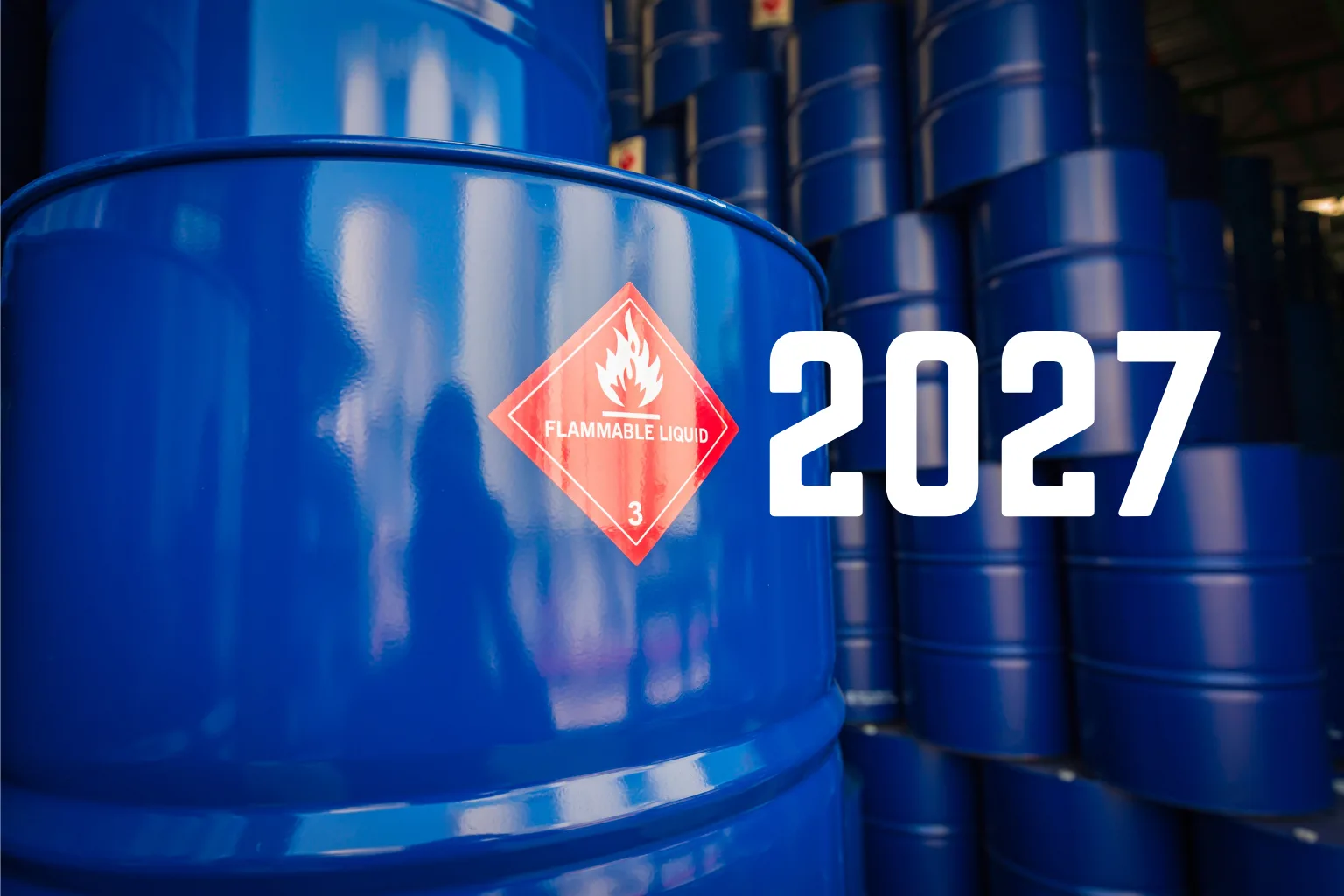



When working with dangerous goods, effective communication of hazards is essential for safety, compliance, and operational efficiency. Hazard labels play a key role providing a universal indication of the danger posed by a particular substance or article. However, many still confuse dangerous goods hazard labels with GHS (Globally Harmonised System) labels.
Both systems are used to identify risks, but, they serve different purposes and are governed by different regulations. Understanding how they work together is key to ensuring safe handling, storage, and transport of dangerous goods.
What Are Dangerous Goods Hazard Labels?
Dangerous goods hazard labels are a requirement in the transport of dangerous goods under international regulations including:
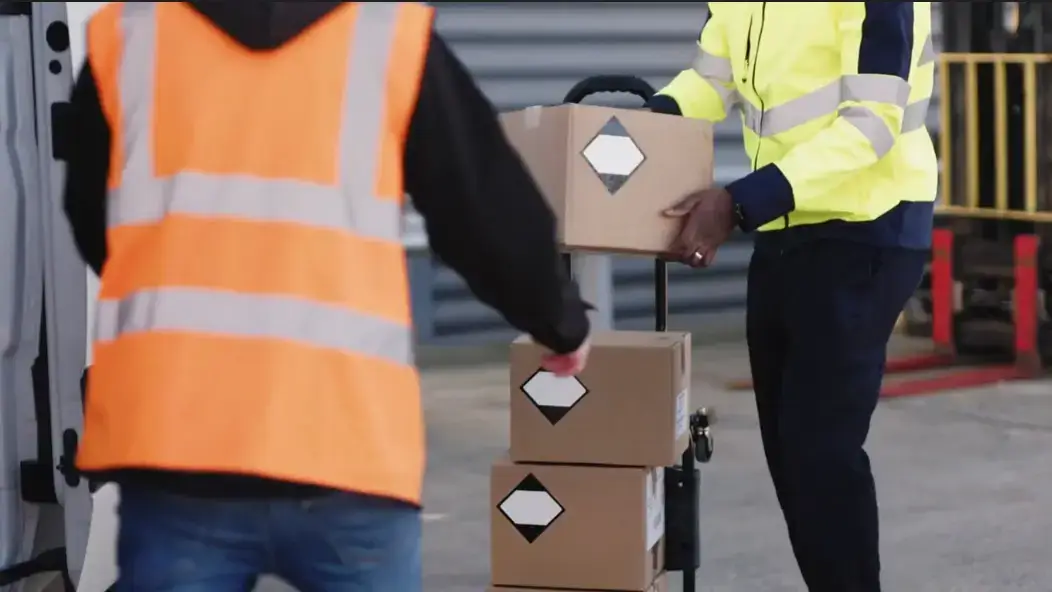
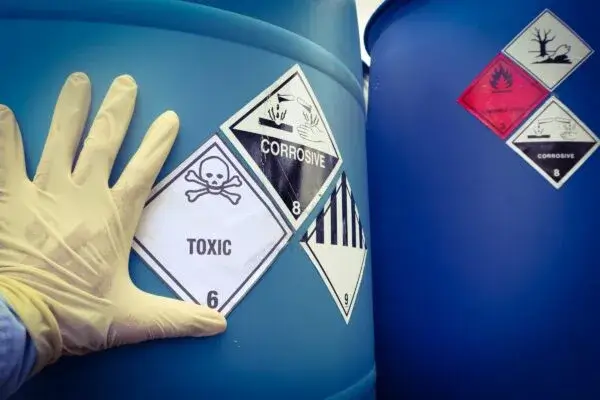
These labels identify the hazard class or classes of the goods, can be displayed on dangerous goods packaging, containers, and vehicles, and provide immediate visual warnings for handlers and emergency responders
The labels are designed for speed and clarity, ensuring that anyone handling or responding to an incident can quickly recognise the risk.
What Are GHS Labels?
GHS labels are part of the Globally Harmonised System of Classification and Labelling of Chemicals, which focuses on chemical hazard communication in workplaces and supply chains.
They are typically found on chemical containers and inner packaging.
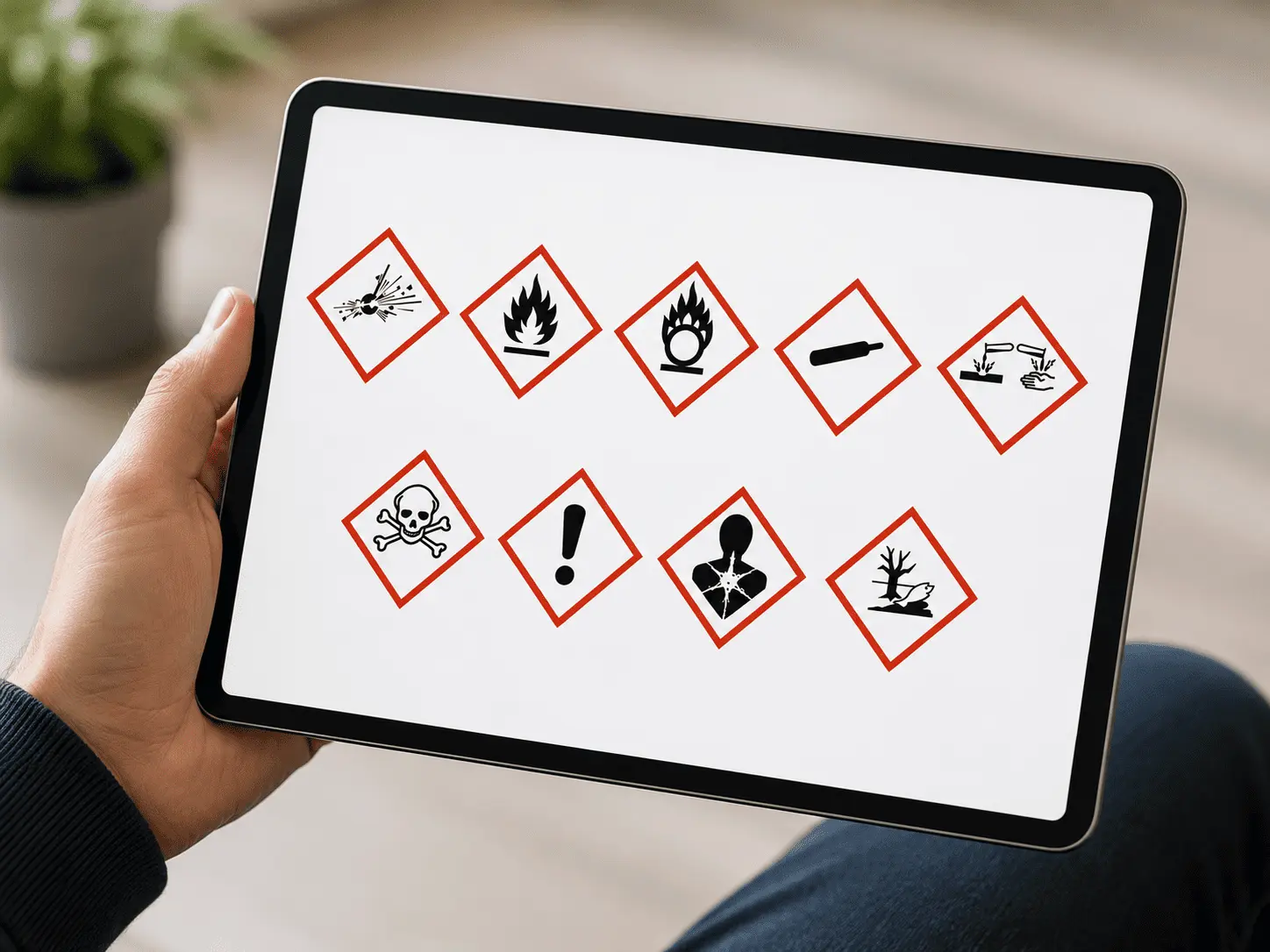
A GHS label includes:
-
- Hazard pictograms (red diamond symbols)
-
- Signal words (Danger or Warning)
-
- Hazard statements (e.g., “Highly flammable liquid”)
-
- Precautionary statements for safe use
Unlike transport labels, GHS chemical hazard labels provide detailed safety information to help workers and consumers understand health hazards, physical hazards and environmental risks.
It should be noted that just because something poses a hazard – it does not make it dangerous for transport. There are several nasty chemicals that are themselves not classified as dangerous goods for transport.
Both hazard labels and GHS labels are in many cases a requirement, however, those in industry must understand their difference.
Key Differences
If you see a flammable GHS pictogram, don’t immediately assume the substance should carry a class three flammable transport label. It may not reach the threshold to make it dangerous for transport. This will normally be determined in a substance’s safety data sheet. The key bit to refer is section 14.
Dangerous goods will carry a UN number, which can then be looked up in the dangerous goods regulations (ADR, IMDG, RID or IATA/ ICAO) to determine the most appropriate means to ship the substance and marking and labelling requirements.
Labelling is Important
Whether in transport or storage, labels play a vital role in preventing accidents and ensuring safe handling of hazardous substances.
Without proper labelling, those working and living in and around chemicals may not recognise exposure risk and emergency services or responders may take the wrong approach.
Dangerous Goods Labelling and Legal Compliance
Failure to comply with dangerous goods labelling requirements can result in serious consequences, including regulatory fines and penalties, risks to health and safety and shipment delays. The most damaging impact of failures to comply with regulations is typically the reputation of all involved.
When things go wrong, the resulting reputation damage can lead to loss of business, and the confidence of employees, partners and suppliers.
To remain compliant, organisations must correctly classify dangerous goods and apply appropriate hazard labels in the right context.
At Peter East Associates, helping businesses achieve compliance with dangerous goods regulations is a key part of our work. Through training and consultancy, it is what we do every day.
Both dangerous goods hazard labels and GHS labels are essential components of a robust safety system. While they serve different purposes they must be used together to provide complete hazard communication.
Want help with your compliance?